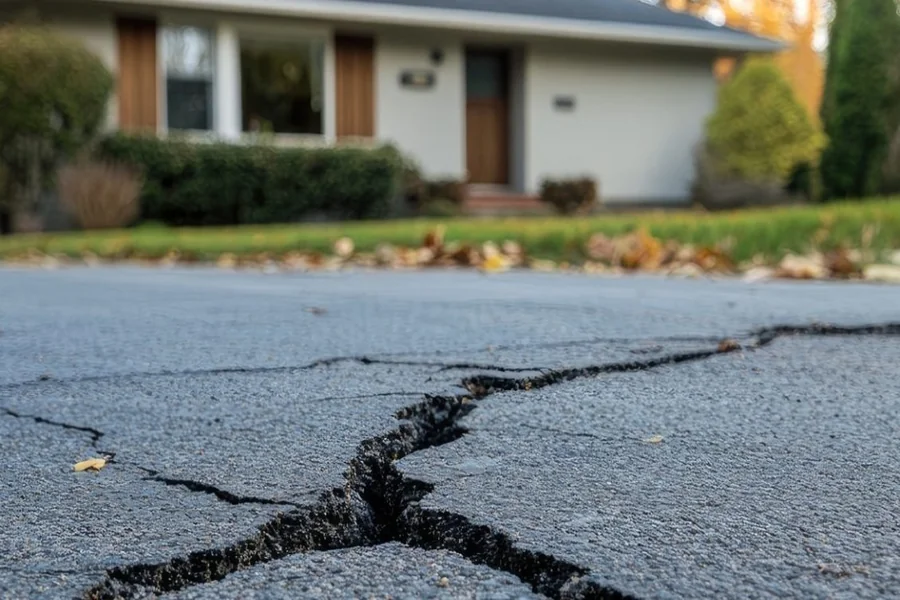
Your driveway is one of the first things people notice when they approach your home. But beyond curb appeal, it plays an important role in safety, convenience, and property value. Over time, exposure to sun, rain, oil stains, and constant vehicle traffic can take a toll on its surface. According to recent homeowner maintenance surveys in 2024, nearly 61% of driveway repairs could have been prevented if resurfacing was done early.
If your driveway is beginning to show signs of wear, looking into driveway resurfacing before issues worsen can save you from expensive repairs later on. Here are the top warning signs you should never ignore.
1. Small Cracks Starting to Spread
It’s normal for driveways to develop minor cracks due to natural ground shifting or weather changes. However, these cracks are often the first and most important sign that resurfacing is needed. When left untreated, small cracks can:
- Expand due to water penetration
- Create trip hazards
- Lead to deeper structural damage
- Turn into potholes
Statistics show that cracks larger than 1/8 inch can grow by 25–40% within a year, depending on climate conditions. Driveway resurfacing seals and smooths the surface, preventing small problems from turning into costly repairs.
2. Rough and Uneven Texture
If your once-smooth driveway now feels rough or gritty, resurfacing may be necessary. Constant exposure to UV rays and rain can erode the top layer of concrete or asphalt. This erosion not only looks unattractive but also weakens the driveway’s structural integrity.
Uneven surfaces can:
- Collect standing water
- Make it harder to clean
- Reduce traction for cars and pedestrians
- Speed up material deterioration
Driveway resurfacing restores a uniform, fresh surface that improves safety and enhances curb appeal.
3. Potholes Forming on the Surface
Potholes are one of the clearest signs that your driveway needs attention right away. Even small potholes can expand quickly, especially during rainy months. Once water gets below the surface, the underlying foundation weakens, causing the pavement to collapse further.
Compared to full driveway replacement, resurfacing is 50–65% more affordable, making it a smart solution for homeowners who catch potholes early. Ignoring them, however, may lead to a complete tear-out and rebuild.
4. Fading Color and Sun Damage
If your driveway is noticeably faded or discolored, UV damage may be to blame. Concrete and asphalt naturally lose their vibrant appearance over time, especially in sunny climates. While fading might seem like a cosmetic issue, it is often a sign that the driveway’s protective seal has worn off.
A worn-out seal allows:
- Water to seep into cracks
- Oil and chemicals to stain the surface
- Surface deterioration to speed up
- Color to fade unevenly
Driveway resurfacing brings back the rich, dark, clean appearance your driveway had when it was new. Many homeowners report that resurfacing makes their driveway look up to 80% better instantly.
5. Water Pooling or Poor Drainage
Standing water is a major red flag. If you notice puddles forming after rain or car washing, it’s a sign that the surface has become uneven or sunken in certain areas. Poor drainage can cause:
- Faster surface erosion
- More frequent cracking
- Mold or mildew buildup
- Damage to your home’s foundation if water flows toward it
Driveway resurfacing corrects low spots, restores proper slope, and ensures water drains safely—not into your garage or yard.
6. Visible Oil, Gas, or Chemical Stains
Over time, vehicles leave behind oil, coolant, and gasoline spills. These chemicals can penetrate the driveway surface and weaken it from within. Deep stains often indicate the surface has become too porous, signaling it’s time for resurfacing.
A new resurfaced layer adds:
- A protective seal
- Resistance to chemicals
- Better stain protection
- A smoother and easier-to-clean finish
In fact, driveways with a sealed resurfacing layer stay 40% cleaner throughout the year compared to unsealed driveways.
7. Age of the Driveway (15–20 Years Old)
Even if your driveway looks fine on the surface, age plays a major role in deciding whether resurfacing is necessary. Most asphalt and concrete driveways have a lifespan of 15–30 years, depending on maintenance. If yours is within that age range, resurfacing can significantly extend its life.
Instead of waiting for cracks, holes, and sinking to appear, resurfacing acts as preventive care. Experts recommend resurfacing every:
- 2–3 years for high-traffic driveways
- 5–7 years for standard residential use
This maintenance schedule ensures your driveway stays functional and visually appealing for decades.
8. Edges Crumbling or Breaking Apart
If the edges of your driveway are chipping away, this is an early sign of structural weakening. Edge crumbling is usually caused by:
- Poor water drainage
- Vehicles parking too close to the sides
- Freeze-thaw cycles
- Soil erosion
Without resurfacing, the crumbling will continue inward toward the center. Resurfacing rebuilds the edge structure and strengthens the entire driveway before the damage spreads.
9. You Want to Improve Curb Appeal
Even if your driveway isn’t severely damaged, resurfacing can dramatically improve its appearance. With modern resurfacing options, you can choose from:
- Decorative finishes
- Stamped overlays
- Pebble coatings
- Smooth, modern surfaces
- Custom colors and patterns
This is ideal for homeowners preparing to sell, as updated driveways can boost overall property value by up to 10%, according to real estate reports in 2023–2024.
Final Thoughts
Your driveway won’t last forever—but catching early warning signs can save you money, stress, and major repairs later. If you notice cracks, fading, potholes, uneven spots, or water pooling, it’s time to consider driveway resurfacing before the damage worsens.
Resurfacing not only restores your driveway’s safety and beauty but also extends its lifespan for years to come. Investing in timely maintenance today prevents expensive replacements tomorrow.