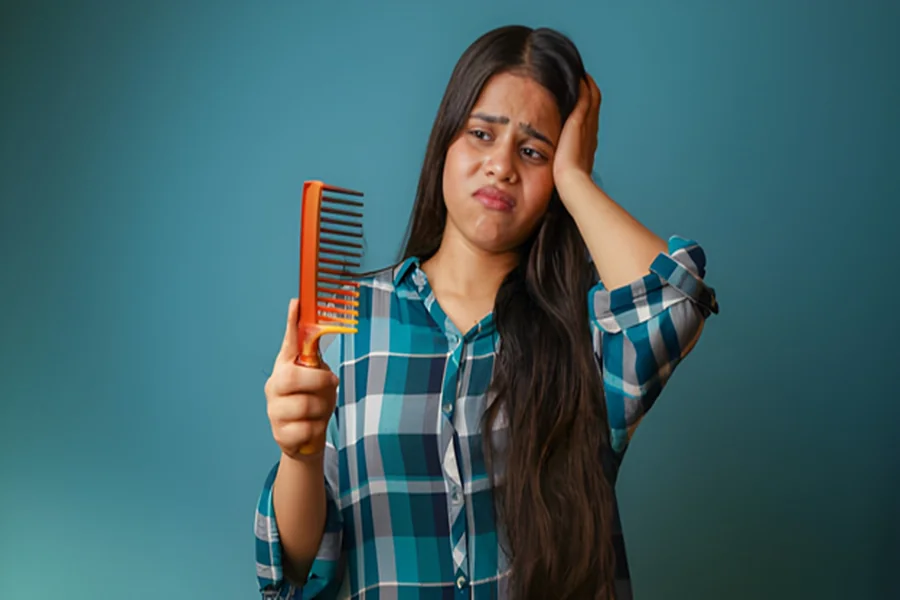
Chemical relaxers can make textured tresses feel smoother, more manageable, and easier to style—but for many women, the trade-off shows up where it hurts the most: the edges. Thinning at the hairline (especially around the temples) is one of the most searched hair concerns in the United States, and it often leaves people wondering whether relaxers are to blame, whether growth is still possible, and what to do next without making things worse. The good news? In many cases, edges can rebound with the right combination of scalp-friendly care, gentler styling habits, and patience—especially when you treat the hairline like delicate skin, not just hair.
Relaxed Hair Extensions & Why Relaxers Can Cause Thinning Edges
Textured hair is naturally more fragile at the hairline because the strands are finer, the curl pattern bends more, and the edges experience constant friction from scarves, styling tools, and daily touch-ups. That’s why many women recovering from relaxer-related thinning choose low-manipulation options like Natural Relaxed Hair Extensions to reduce friction while supporting healthier retention—especially when their mane needs a break from repeated tension and heat.
So, why do relaxers cause thinning edges? It’s not only the chemical process—it’s the combination of effects relaxers may trigger over time. Chemical relaxers work by breaking the hair’s internal protein structure, permanently altering texture. This process can reduce elasticity and strength, leaving strands more prone to snapping, particularly in delicate areas like the edges and temples.
Relaxers may contribute to thinning edges through:
- Weakened strand structure and reduced elasticity
- Scalp irritation or mild chemical burns that inflame follicles
- Chemical overlap from repeated touch-ups
- Increased dryness and protein loss
- More frequent manipulation to smooth or slick edges
If thinning appears sudden, painful, patchy, or rapidly worsens, a dermatologist or healthcare provider should evaluate the scalp to rule out medical causes.
Relaxed Straight Extensions & Traction Alopecia Explained
One of the most common contributors to hairline thinning—especially in relaxed tresses—is traction alopecia. This form of hair loss develops when constant tension damages the hair follicle over time, often starting subtly before becoming more noticeable.
Traction alopecia commonly begins with:
- Tight ponytails, buns, or braids
- Sew-ins with overly tight braiding foundations
- Excessive edge brushing or slick styles
- Glue-based or adhesive-heavy styles
- Repetitive tension along the same areas
Relaxed hair is more vulnerable because chemical processing weakens the strand, reducing its ability to withstand pulling. When tension is repeated, follicles may become inflamed, and breakage can occur faster along the hairline.
For those seeking added fullness without daily heat or repeated stress, a low-tension option like Relaxed Straight Sew-In Weave can help reduce manipulation—especially when installed professionally and paired with scalp-conscious care.
Relaxers themselves do not automatically cause hair loss, but they may increase the risk when combined with tight styles, heat exposure, scalp irritation, or poor moisture balance.
Can Hair Grow Back After Relaxer Damage? Timeline & Expectations
Can hair grow back after relaxer damage? In many cases, yes—particularly if the follicle remains active and the issue is breakage rather than permanent follicle damage. Understanding the difference between breakage and true hair loss is key to setting realistic expectations.
Signs regrowth is possible include:
- Presence of short, fine hairs along the hairline
- A scalp that looks healthy and not shiny or scarred
- Gradual thinning tied to styling habits
- Improvement after reducing tension
Hairline regrowth timelines vary:
- Breakage-related thinning: 2–4 months
- Mild traction damage: 3–6 months
- Moderate traction alopecia: 6–12 months
- Severe or scarring cases: regrowth may be limited
Edges grow slowly because they are finer, exposed, and frequently manipulated. Consistency and gentle care are essential.
Protective Styling & Ingredients That Support Edge Recovery
Protecting the hairline is critical while encouraging growth. The goal is to minimize tension and irritation while maintaining a healthy scalp environment.
Styles that help protect the hairline include:
- Loose, low ponytails or buns
- Satin-lined wigs with protective bases
- Low-tension sew-ins
- Flat twists or loose braids around the perimeter
- Styles that avoid gripping or slicking edges tightly
Daily habits also matter:
- Use satin bonnets or silk pillowcases
- Avoid heavy gels that require scrubbing
- Limit edge brushing and heat tools
- Rotate styles to prevent repeated stress
Ingredients that may support edge growth without irritation:
- Aloe vera for soothing hydration
- Niacinamide to support scalp barrier health
- Panthenol (Pro-Vitamin B5) for elasticity
- Diluted rosemary oil for circulation support
- Lightweight castor oil to seal moisture
Always patch test new products, especially if the scalp is sensitive from chemical processing.
FAQs: Relaxers, Edges, and Hair Growth
Why do relaxers cause thinning edges?
Relaxers weaken hair structure, making strands more prone to breakage—especially when combined with brushing, heat, or tension-heavy styles.
Can hair grow back after relaxer damage?
Yes, in many cases. Regrowth depends on follicle health, reduced tension, and consistent scalp care.
What is traction alopecia and how does it start?
Traction alopecia results from repeated pulling on hair follicles, often from tight styles, and commonly affects the hairline first.
How long does it take for edges to grow back?
Mild thinning may improve in a few months, while more significant traction damage may take six months or longer.
Are relaxers linked to hairline breakage or hair loss?
They may increase risk indirectly by weakening strands and making them less tolerant of tension and dryness.
What styles protect the hairline while growing edges?
Low-tension, low-manipulation styles that avoid tight gripping around the hairline are most effective.
What ingredients help edge growth without irritating the scalp?
Soothing and barrier-supporting ingredients like aloe vera, niacinamide, and panthenol are often well tolerated.


